Gut Punch Anniversary, Wildfire Fears, and the Limits of Factual Accuracy
With the one-year anniversary of the One Big Beautiful Bill Act approaching on July 4, here’s a quick reflection on the gut punch it delivered to the U.S. renewable energy industry: in the first quarter of 2026 alone, developers canceled, closed, or scaled back 45 clean energy projects, abandoning roughly $14 billion in planned investments and about 41,000 jobs. Thirty-six of those cancellations fell in Republican-held districts – the same districts that had received the most clean energy investment in the years before the bill, and that are now absorbing the steepest losses as that money dries up and the jobs that were promised fail to materialize.
While politicians aren’t much known for conceding told-you-so moments, that damage has started to turn some of OBBBA’s own backers against it, albeit under the radar. When Republicans voted for the law last year, they did so in spite of numerous independent and industry analyses showing that stripping the credits would strand investment and cost jobs. With those predictions now bearing the rotten fruit that was easy to see sprouting, several Republicans who voted yes – including Reps. Brian Fitzpatrick (PA), Mike Lawler (NY), Max Miller (OH), and Mike Carey (OH) – have now signed onto a bill to bring some of the credits back, while, unsurprisingly, avoiding any responsibility for the mess they helped make in the first place.
While the warnings were accurate, these members only decided to take action once the damage was felt in their own districts – because for all the ways politicians might seem to run on a different set of priorities than the rest of us, like most humans they’re more likely to act on a problem only after it’s felt in their own daily lives.
Fear Over Facts
The dynamic isn’t identical, but you can watch something like it unfolding right now in Gillespie County, Texas, where a developer is running up against a justifiable community fear, and where no amount of data can overcome the far more tangible reality of lived experience.
Singaporean developer AMPYR Energy has spent more than a year trying to build a project it calls Marshall Springs: about 150 megawatts of solar generation with a large battery storage installation on roughly a thousand acres of the Texas Hill Country. The opposition from the surrounding community has been intense. The county commissioners passed a resolution against the battery storage component, and a local campaign has formed to stop the project outright.
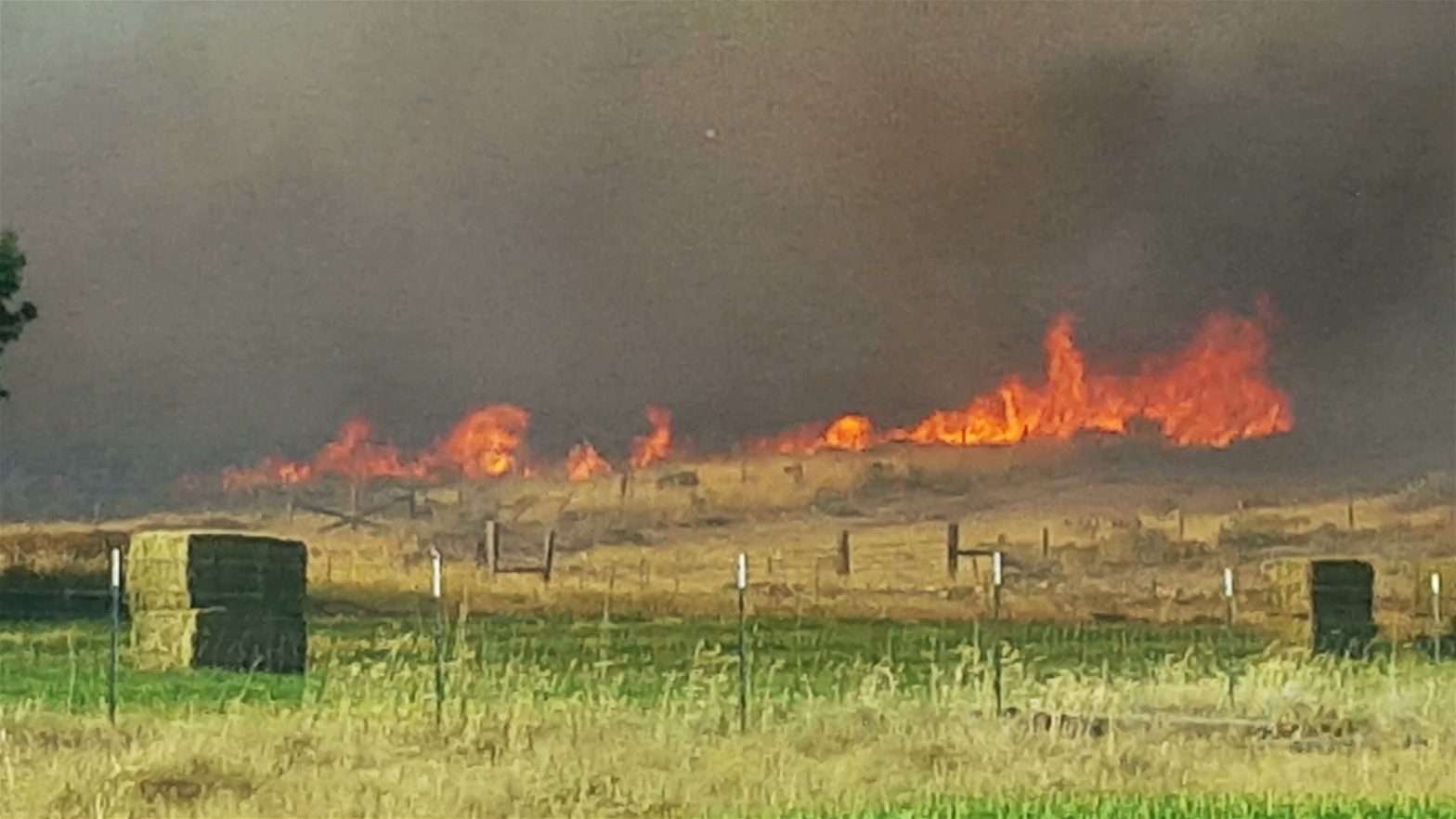
At the center of that opposition is a single event: the Crabapple Fire, which burned close to 10,000 acres across that part of the county in March of last year, jumping a state highway as it spread. The question the community keeps returning to is what a field of lithium batteries – which can burn at extreme temperatures and resist conventional firefighting – would mean for a rural county that just lived through a significant fire and whose first responders are mostly volunteers.
Whether the anxiety over a battery-related fire is proportionate to the likelihood of it actually happening is honestly hard to say. Utility-scale battery fires do occur – such as the 2024 Gateway Energy Storage fire, which triggered an EPA cleanup settlement, or the 2025 Vistra Moss Landing Energy Facility storage fire, which burned for days – and they are difficult to extinguish. At the same time, they’re relatively uncommon, and the engineering meant to contain them is continually improving. It’s probably fair to say the risk is small but genuine – and it’s exactly that kind of uncertainty that can spark fear in a community, if nothing else.
The debate is further aggravated by the competing interests at play. The family who owns the land where the batteries would be placed wants to turn a profit from their 30-year lease with AMPYR. The Gillespie County residents who watched the ground around them burn a year ago have no patience for being told they are overreacting; they are emotionally invested in protecting their homes after losing so much of the county to the Crabapple Fire. And local officials have their own reasons to position themselves between constituents and a foreign-owned energy company.
If AMPYR is not careful with how it responds to these varied interests and concerns, it risks imperiling its project.
The instinct of any developer with capital committed and the tax-credit deadline closing in is to answer a question about fire risk with an answer about probability: bring in the engineers, walk through the suppression systems and setback distances, lay out the incident data showing how rarely a serious battery fire occurs. In a narrow technical disagreement, that would be the right move.
But this is the powerful fear of a community that just lived through a wildfire, and fear like that is unlikely to bend to pie charts and bar graphs. The more carefully a company documents that there is nothing to worry about, the more it confirms what the community already suspects: that the company sees their concerns as a statistics problem rather than something worth meaningfully addressing on an emotional or psychological level.
For a company caught between a community and the officials who represent it, this might feel like a no-win situation. But learning to adapt to the shifting sands of narrative while displaying genuine empathy is an essential ingredient for success. When a community or any other stakeholder group is in disagreement with a product, project, or the nature of your work itself, your job shifts to staying in the conversation and preparing to act when sentiment turns your way, rather than attempting to simply “win” the argument outright. Arguments are more likely to stall – or simply fail – when emotions instead of facts are what constitute the rebuttal.
Making peace with that is hard because it feels like an expensive concession. Standing down from an argument can cost a developer valuable time and money; it can even mean taking seriously a narrative the company may privately believe is being manufactured for someone else’s political or personal gain. But that is the reality of building in a place where the residents have a say. A project like Marshall Springs is negotiated with the community that hosts it, and the terms of that negotiation include treating its fears as a binding constraint, even the ones the company might find exaggerated. A developer who accepts that has recognized the business it is in while locating an organized sense of flexibility. In other words, it’s important to stay close enough to a moving story to move with it.
The conversation in Gillespie County will inevitably continue to evolve, much like how the national conversation about OBBBA has drifted from public consciousness.
It will turn as the conditions underneath it turn: when a punishing summer strains the grid and reliability becomes what people care about, when a neighboring county starts collecting tax revenue from a project it approved, when the political usefulness of the fight fades after the next election. A company close enough to the story to feel those turns coming can meet each one as it arrives, adjusting what it offers, where it builds, which concern it answers first – and still be standing when its moment of opportunity finally comes. Hopefully, we will one day be able to say the same for OBBBA, too – that the common-sense rationale for renewables and the lived benefits of clean energy will prevail over the politics that produced it. An added bonus would be if we as a species could hurry up and evolve the foresight needed to avoid making decisions that seem expedient in the moment but that fail to envision the mess they’ll make in the long run.