Speaking Truth to the Mob
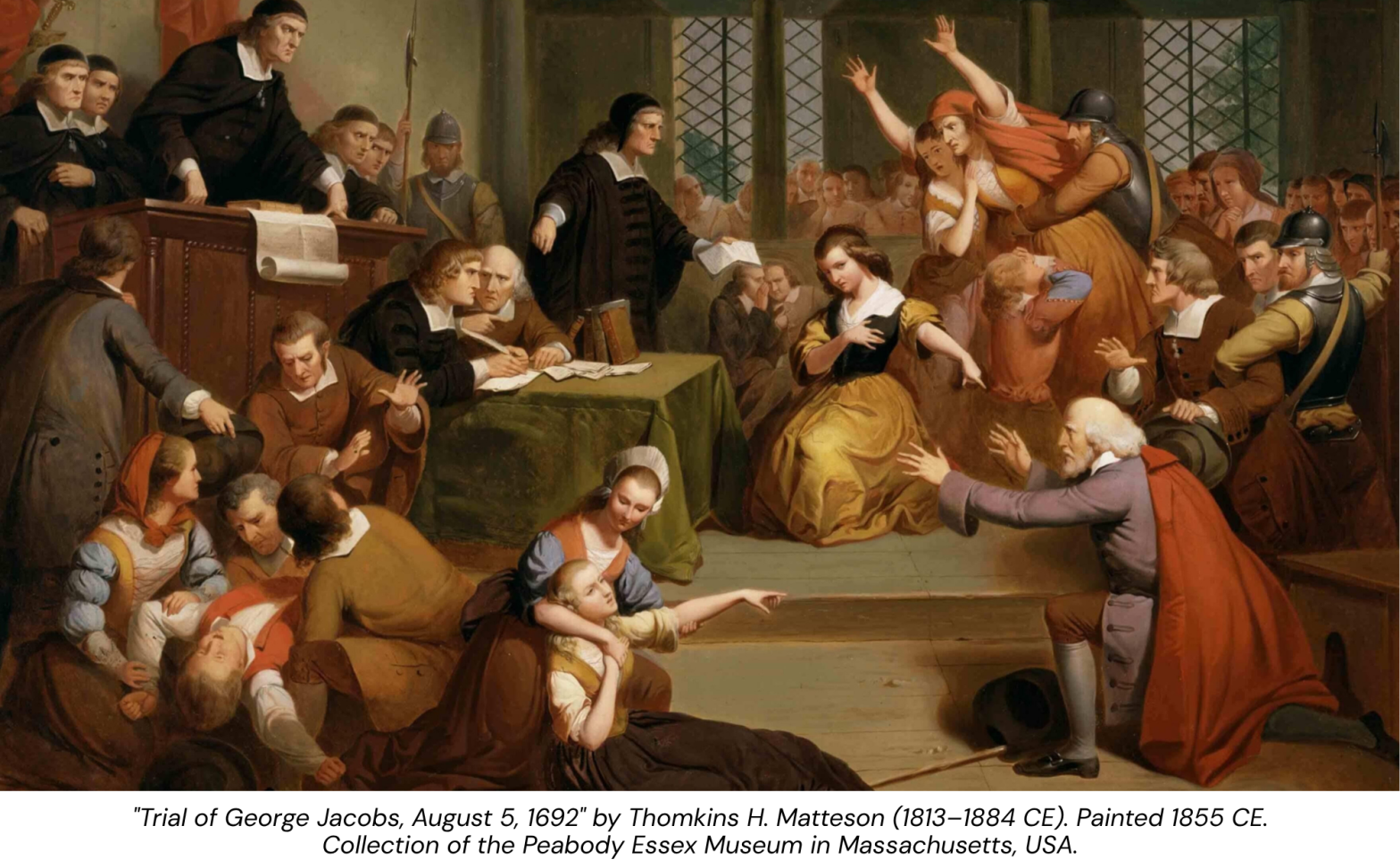
While preparing to facilitate a role-playing session at the National Conservative Energy Summit this week, I’ve been thinking about how conservative clean energy advocates often find themselves a lone voice among their own communities, and what it takes for one person to win over a hostile crowd with the tide against them.
These advocates make the case for renewables on undeniably conservative terms: more reliable energy, energy independence from foreign adversaries, free markets and consumer choice over mandates, American manufacturing jobs, a grid hardened against rising demand – and they’re making it to fellow conservatives, from whom they often hear some form of “you’re not one of us.” That sentiment packs its own particular sting when coming from the community you call home. Some have been doxxed, harassed online, and called traitors to their own side.
One of the stories that inspired the upcoming role-playing session comes from a recent “Tales from the Field” episode of the Conservative Energy Podcast. In the episode, Lillian Floutsis, a proud conservative and clean energy advocate from Allen County, Indiana, recounts how she spoke up at an ordinance hearing and won over the room.
During the public comment session on proposed amendments that would permit solar installation in the community, the opposition ran a twenty-minute slideshow built on misinformation, AI-generated images, and outright lies, the central claim being that solar would eat up valuable farmland and deprive hardworking Hoosiers of the food they need. Floutsis was set to give her own pre-written testimony directly after theirs, but realized that their falsehoods and fear-mongering required a different response, so she tossed her notes and changed tack.
Floutsis reminded the room that Indiana grows mostly corn and soy, that roughly 40 percent of it goes to ethanol, and most of the rest to animal feed and high fructose corn syrup. Then, patting her stomach and wearing a humble grin, she joked that the average Midwesterner could probably stand to eat a little less of it. The room laughed, she made the connection with the audience, and then seized the moment to make her point: that solar was never going to take food out of anyone’s mouth in Allen County, but blocking it would cost residents the energy production they could host on their own land, along with the right to decide what happens on that land at all.
In doing so, she illustrated the three moves I’ll be working on with advocates at NCES:
Pause. When the room is hot and the other side has just finished provoking you, the first move is to not answer on their terms. Floutsis had her testimony ready to deliver, and she set it aside, letting the moment sit instead of firing back at the misinformation point by point.
Turn. Face the room rather than retreat from it. Floutsis didn’t shrink or bury herself in her notes. She turned to the people in front of her and spoke to them directly from the heart, making the personal connection that helped her humor land.
Pivot. Move the conversation off the ground the other side chose and onto ground that will allow you to persuade. Floutsis moved the room off the debate over whether food production would drop and onto what mattered more to her neighbors: their control over their own property.
Disagreeing with people online is easy. You post something, someone insults you, you close the app. Doing it in a room full of your own neighbors and political kin involves a reaction that is immediate, emotional, and far more personal. You have to watch how the crowd is responding, control your own tone, and manage your own expressions in real time, because a single raised eyebrow or smirk can lose the room.
That’s the work of the session I’m facilitating at the National Conservative Energy Summit, “Policy to People: Communicating Energy Effectively,” to grow these skills through role-playing exercises. I’m looking forward to it, and to telling you in the next post what we learned together.