Beer Can Influencers & the Failure of Corporate Pandering
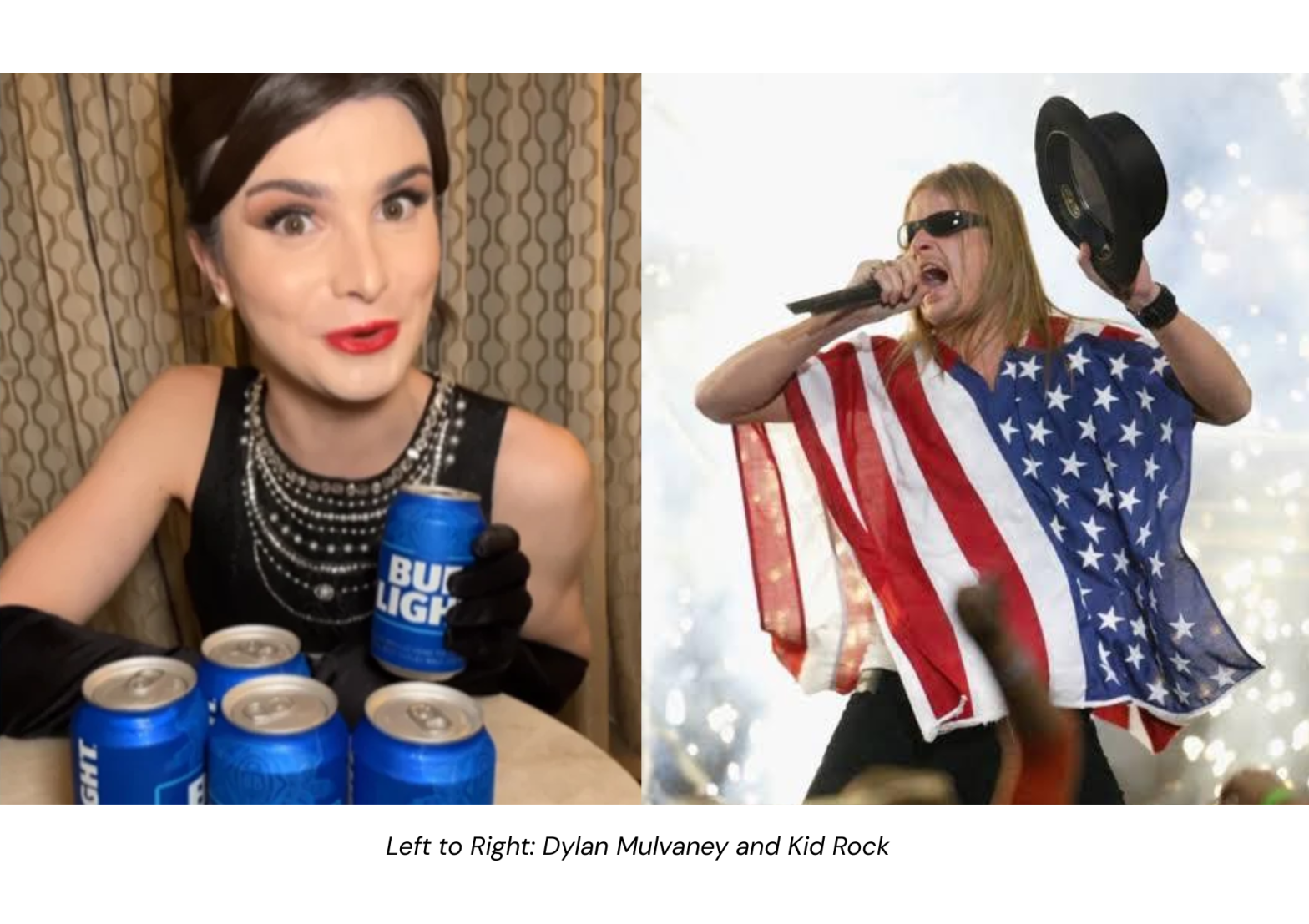
Three years ago this month, Bud Light — America’s best-selling beer for over two decades — sent Dylan Mulvaney (an actress, influencer, and trans woman) a personalized can with her face on it as part of a broader marketing push to younger drinkers. Mulvaney responded via a sponsored Instagram video with that can in hand, playfully riffing on March Madness and promoting Bud Light.
The whole ad lasted less than a minute — and ended up costing the company over a billion dollars.
The public fallout from this campaign was swift: Kid Rock used a submachine gun to shoot up cases of Bud Light, conservative politicians scurried to condemn the partnership, and sales tanked nearly 30%, with hundreds of independent distributors taking devastating hits. It should also be noted that Bud Light never offered Mulvaney any support during the intense personal backlash that she described in a follow-up video as “more bullying and transphobia than I could have ever imagined.”
At the time, the popular narrative was that all of this happened because Bud Light had gone “too woke,” and while we’ve now seen how many corporate efforts to scrub their branding of anything resembling diversity and tolerance have backfired since the new administration came to town (looking at you Big Law), the Bud Light face plant offers a terrific case study in clumsy corporate pandering.
So what did the Bud Light C-Suite think it would gain from pandering on the subject of trans rights?
I’ll go out on a limb here to say that I don’t think Bud Light partnered with Mulvaney because taking a bold stand on trans rights had become a top company priority – probably more like they just wanted to reach progressive, younger drinkers and concluded that a partnership with a popular trans TikTok star would play well with their target market in this case.
After they wiped the egg off their face, but seemingly without any after action review, the Bud Light weathervane swung towards celebrities like Post Malone, Shane Gillis, and Peyton Manning starring in a Super Bowl ad featuring middle-aged white men grilling in cul-de-sacs. One ad critic described the new setting as “America’s least diverse neighborhood.”
The brand simply pandered again, this time to a different audience, as it went from saying it stood for “inclusivity” that is “lighter and brighter” to leaning hard into what they perceived as the safer, more traditional portrayal of gender roles and identity. What should have been an inoffensive ad instead became another public point of contention, drawing both hate and love from viewers, but failing to win back many of the consumers who were once loyal to the Bud Light brand.
How can companies actually take a stand and mean it?
Bud Light was not required to take a stand on this or any other cultural issue; as a corporation, their only obligation is selling more beer to make money for their shareholders. But since they did choose to get involved, they might have considered first investing the time and resources required to better calibrate their narrative to the perspectives of their target audiences. Doing so could have helped them make a strong moral case for tolerance beyond just a performative gimmick.
They should have expected to encounter prejudice, fear, misconceptions and misogyny, and then crafted a more powerful narrative with authentic, persuasive stories that demonstrated why making support of trans rights a company priority would have been in the best interests of all of their customers and shareholders.
Companies like Bud Light that decide to take a stand, but do so without first doing their homework – thinking deeply about the interconnections between culture, politics, psychology and other narrative ingredients to avoid coming across as disingenuous – might just be better off saying nothing at all on social, cultural and political issues. Theirs is a cautionary tale that demonstrates how pandering is not a smart pathway to profits, and that wading into prickly cultural issues with an expectation of positive results requires first doing the hard work of building the right narrative architecture.
____________________________________________________________________________
Read this story (and more) in April’s newsletter.