In Defense of (Some) Lawyers
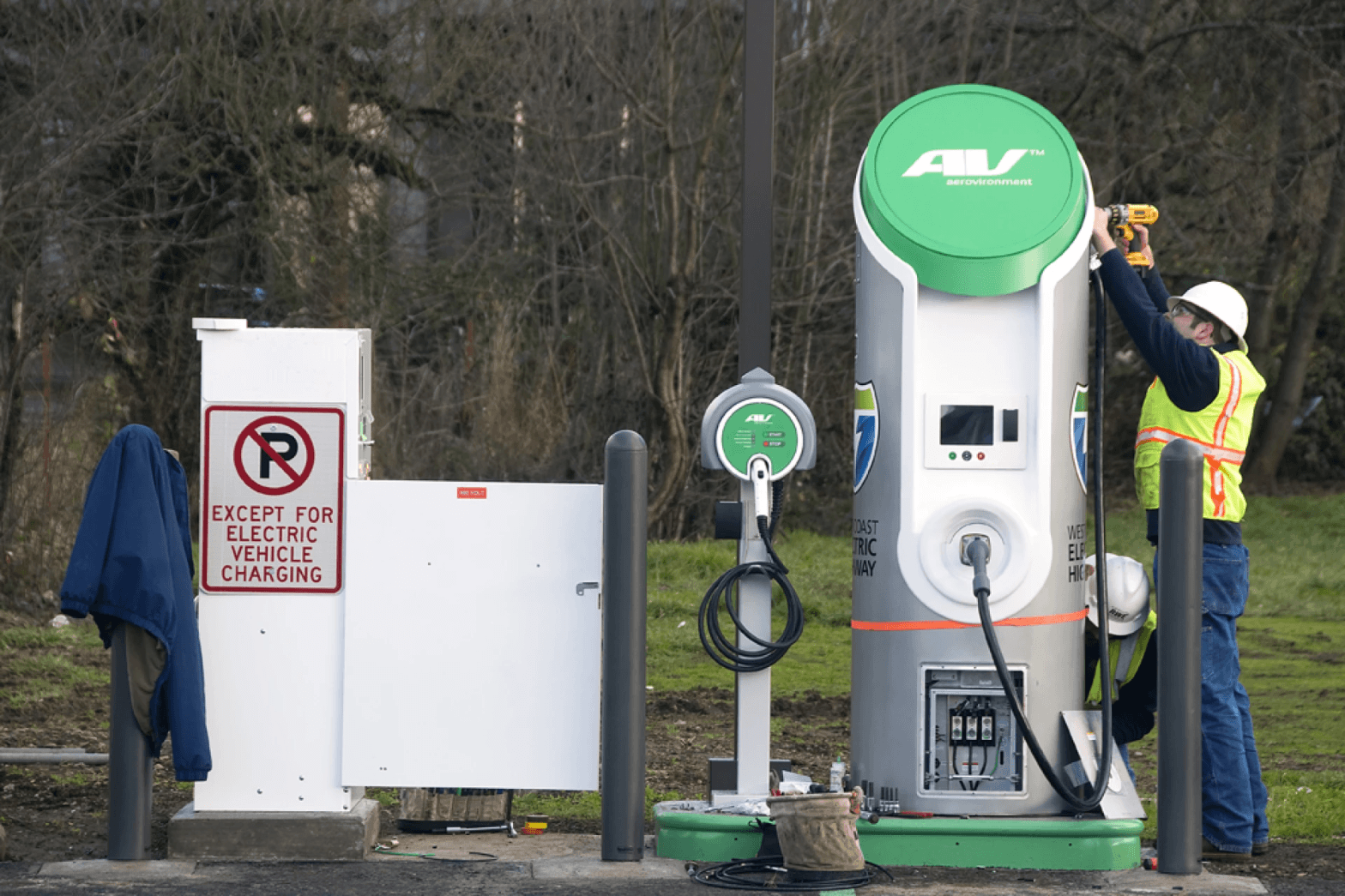
Last month, a federal court ruled in favor of the legal challenge to the White House’s freeze of the NEVI (National Electric Vehicle Infrastructure) program – the $5 billion congressional appropriation for building out a national EV charging network.
U.S. District Court Judge Tana Lin found the administration’s actions plainly unlawful and permanently barred the Department of Transportation from withdrawing states’ funds, canceling buildout plans, or otherwise interfering with the program. In practical terms, NEVI has now bought more time to keep building, though no one is under any illusions that the administration won’t keep trying to sabotage EV progress. In the meantime, let’s celebrate the win.
Two Very Different Types of Lawyers
How this case was built – and won – is an excellent illustration of lawyers using their power to preserve and strengthen our overall civic health, in contrast to a very different group of lawyers I wrote about back in December.
In that blog, I criticized the big law firms that capitulated to the administration, pledging tens of millions in legal services to avoid becoming political targets. The nonprofit attorneys behind the NEVI case made a different calculation. They pooled resources, crafted a narrative, coordinated across organizations, and went looking for compelling everyday stories that would make the legal argument land.
Some of the best storytellers are lawyers, and we can all be grateful when they use their powers for good. The legal team found people who had experienced the consequences of the freeze, asked good questions, and constructed a persuasive narrative grounded in law, truth and common sense that resulted in the restoration of funding to keep building our charging infrastructure.
My Stakes in This Case
For the sake of full disclosure, I’m proud to have played a small part in this case as one of several ordinary EV drivers, who were contacted by Sierra Club to become standing declarants. We were recruited to simply talk about how our daily lives were negatively affected after the administration violated the law, proving to the court that the illegal freeze caused real harm to real people.
In my case, I wasn’t able to find a working charger and lost a half-day of work productivity as a result. Other declarants spoke about being stranded, missing important family events, and the stress caused when they were forced into unsafe circumstances as a result of unreliable or unavailable charging. These individual stories woven together created a successful narrative that as a whole proved to be greater than the sum of its parts.
Even though my involvement was minor, I was honored to be called a “standing declarant” and tell my story for the record. As someone who thinks about narrative and communication for a living, I appreciate the imagery these two words together conveys. While most legal terminology can be obscure enough to irritate the average person, the phrase “standing declarant” vividly paints a courageous person taking action by speaking their truth.
Keeping Our Civic Lights On
Ultimately, the lawyers behind the NEVI fight are the real heroes of this story and deserve the gratitude of a free society that still values democratic ideals. Their victory is proof there are bright lights still shining in the legal profession, helping to ensure the courts maintain their role as a check on executive power, especially considering Congress got off that train some time ago.
It’s lawyers like these who are keeping the lights on in the civic health department – and let’s hope they keep it up – especially when the most powerful law firms in the country decided to run from the fight and bend the knee.