
Returning to Climate Week NYC this year, I was glad to find noticeably more optimism in the air than at this time last year, when many attendees were looking for work after losing their jobs at a range of government agencies.
With federal climate programs stalled and the offices that run them in some cases decimated, it made sense that this year’s conversations focused more on what corporations can do.
There are countless ways for companies to advance climate solutions, from cutting emissions across their operations to buying clean power to investing in new technologies, but the most urgent right now – and one over which every company has some power to wield – is helping to safeguard our election systems.
I’ll admit I sometimes question the utility of joining the annual swarm into Manhattan for what some observers have satirically (and maybe just a little bit accurately) tagged as the “Burning Man for Climate Geeks.” While it’s a great gathering of knowledge, passion, and creativity, it’s also one whose momentum is difficult to sustain once everyone returns to their own daily grinds.
But I keep coming back, because there is so much to learn about how others are handling their own climate challenges, and because relationships and trust across sectors form the foundation for effective solutions.
Of the fifteen or so events I attended across the week, one stood out for its emphasis on safeguarding our elections as a precondition for any systemic climate progress.
Supported by Business Response to Authoritarian Threats (BRTAT) and called “The Business Case for Speaking Up: Democracy, Climate, and the Cost of Inaction,” the session brought business leaders together to speak frankly about democratic backsliding, the impact of the private sector’s silence, how each company can build a game plan for its own circumstances, and the difference between political and civic responsibility (more on this distinction below).
The discussion centered on the idea that a strong economy rests on a strong civic foundation: courts that enforce contracts, elections that settle who governs – wherein the losers accept the results – and institutions that apply the rules the same way to everyone. When that foundation is unstable, it doesn’t matter what climate solutions are put on the table if the guardrails are weak and uncertainty runs wild.
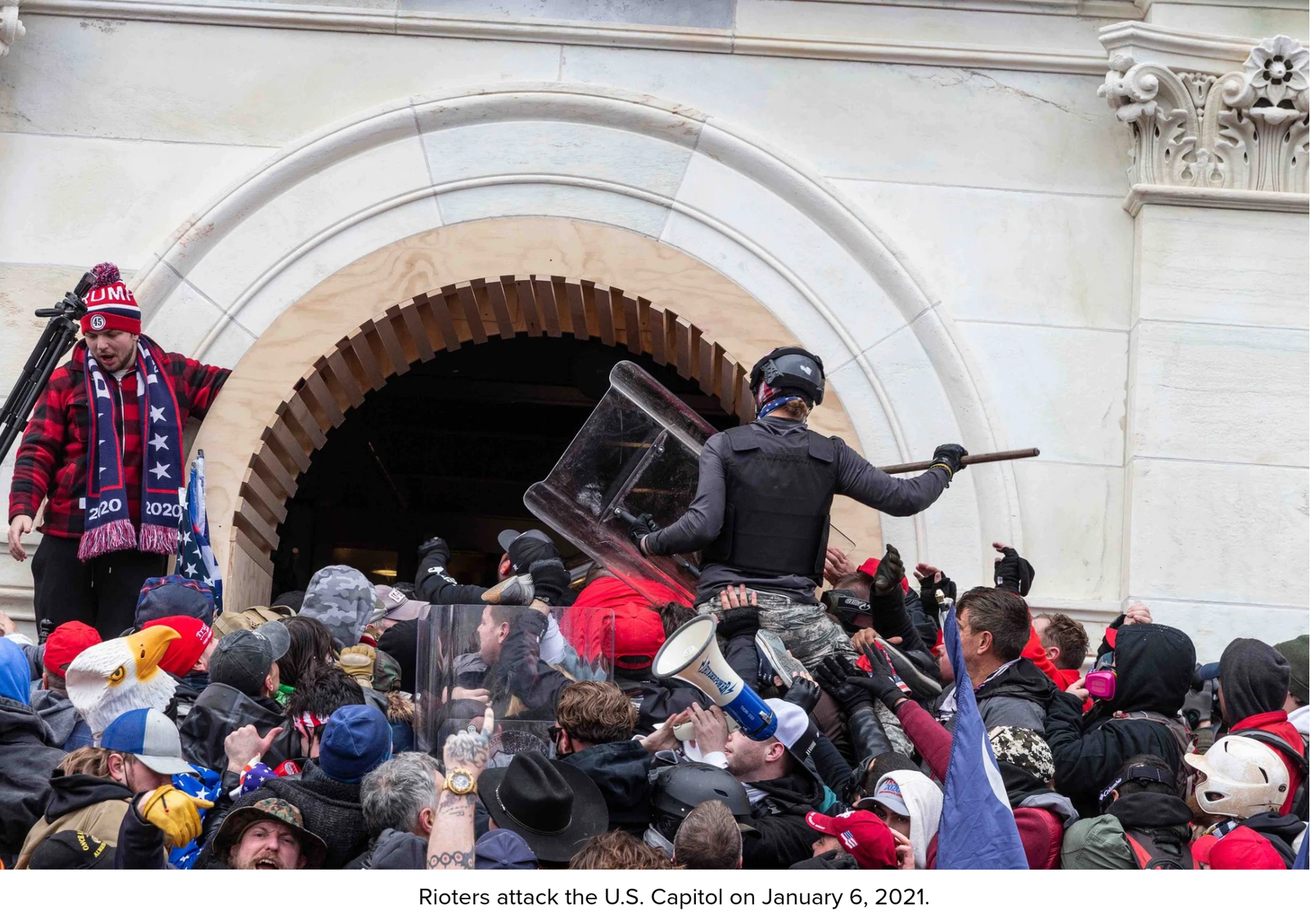
The rise of authoritarianism is one of the biggest threats to our civic health and, by extension, our economy.
Often the reason companies give for avoiding civic engagement is some version of “we don’t want to get political,” a disingenuous conflating of civics and politics. Politics is the contest over who governs; civics is the set of rules that keeps that contest fair. “We don’t want to get political” is a hollow claim from organizations that keep lobbyists on retainer, staff government affairs departments, and pay handsome dues to trade associations to work Washington and the state capitals on their behalf. Their reticence has a way of evaporating whenever a beneficial tax provision, a permit, or a tariff is on the line. Corporate America has never been shy about politics; it’s just selective about when it shows up to the fight, depending on how much risk to its bottom line it perceives in speaking up.
For companies that acknowledge their responsibility but are still searching for the best way to engage, the session offered an election toolkit with concrete, nonpartisan actions they can take and ready-to-use templates for public statements, letters to election officials, and other documents. It’s free, easy to use, and requires no registration.
Even companies that don’t care about democracy should know it’s the best system for their bottom line.
Lots of companies take the opportunity during Climate Week to highlight their climate commitments, and in many cases their commendable progress, but the impact of their solutions is only as durable as the public institutions that provide the foundation for their success, starting with our election systems. With voting now underway for the midterms, it’s time for companies that are serious about achieving our climate goals to step up. Check out BRTAT’s toolkit, which helps companies take action and fulfill their civic obligations without getting the least bit political.